Key takeaways:
- Websites are shifting to self-service and AI-driven interactions to meet modern user expectations
- Interactive tools let customers get quotes, explore options and make decisions without contacting sales
- Transparent pricing and self-estimators increase leads, trust and customer satisfaction
- AI “digital humans” provide personalised, human-like guidance on websites, improving engagement
- AI-driven assistants can suggest relevant products, remember past interactions and enhance the online experience
- Future-ready websites balance self-service, clear pricing and AI tools to stay competitive in the evolving digital landscape
Ever clicked away from a website because you had to call just to check the price? Frustrating, isn’t it? You’re not alone. Many Aussies prefer to gather information and make decisions without chatting to a salesperson first. That’s why self-service options and AI-powered interactions are becoming the go-to for websites of the future.
 Let’s look at a real-life example. Imagine you’re planning a holiday in Queensland. You visit a tour operator’s website to book a Great Barrier Reef diving experience. Instead of having to call for prices and availability, you find an interactive tool that lets you choose your dates, group size and preferred activities. It then provides a customised quote and even suggests add-ons based on your choices. This self-service approach not only saves you time but also allows you to explore options at your own pace, without any sales pressure.
Website Self-service Trends
Today’s shoppers prefer to research and decide on their own before chatting with a salesperson. To keep up, websites are offering more self-service options. These include interactive tools that help customers make informed choices by providing fair assessments and suggestions. This approach not only meets buyers’ needs but also improves their overall experience on the website.
Self-service software is becoming more popular because it helps both businesses and customers. Here’s why:
- It’s convenient for customers: people can find answers or solve problems on their own, any time of day or night. No need to wait for customer service to open
- It saves money for businesses: when customers can help themselves, companies don’t need as many support staff. This cuts down on costs
- It makes customers happier: many people prefer to find solutions on their own rather than talking to someone. It gives them a sense of control and independence
- It frees up staff time: with simple questions handled by self-service tools, support teams can focus on more complex issues that really need their expertise
- It can be personalised: modern self-service tools can use data to offer tailored solutions, making the experience feel more personal for each customer
By offering these benefits, self-service software is changing how businesses interact with their customers, making things easier and more efficient for everyone involved.
Pricing Transparency and Self-Estimators
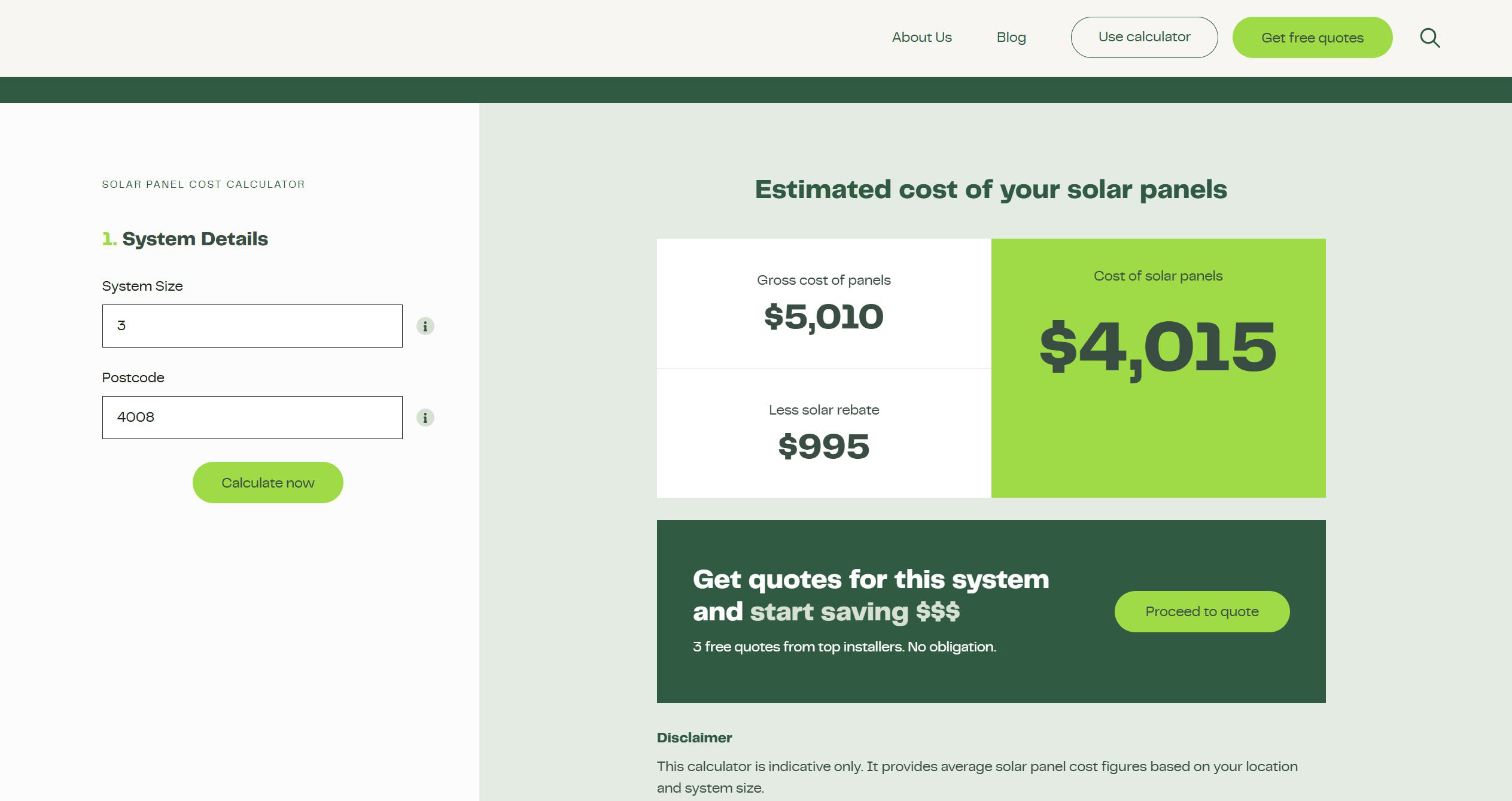
Providing cost and pricing information online is crucial to meet customer expectations. Self-pricing tools or estimators allow customers to get an idea of costs before contacting a business. This increases leads and improves customer satisfaction.
For instance, a Melbourne-based solar panel installer might offer a self-estimator tool where customers input their roof size, energy usage and location. The tool then provides an estimated cost for solar panel installation, helping customers budget before they decide to reach out.
The Advent of Digital Humans
 AI-driven digital avatars are emerging as a future trend for website interaction. These “digital humans” can provide personalised and interactive experiences, answering questions and offering assistance.
Imagine visiting a website for an Australian bank and being greeted by a lifelike digital assistant named “Matilda”. She can answer your questions about home loans, help you navigate the site and even guide you through the initial stages of an application. This AI-driven interaction feels more personal than a typical chatbot and can handle complex queries with ease.
AI Driven Website Interactions
The aim is to create a more engaging and helpful online experience. AI-driven interactions can feel more human-like and offer better customer service. These digital helpers can understand context, remember past chats and even pick up on emotions in text or voice.
Picture this: you’re looking at Australian-made dining tables online. An AI assistant might notice and suggest matching chairs, dining sets in your price range or even styling ideas for Aussie homes. This personal touch can really improve your shopping experience.
 As we head towards 2025 and beyond, websites will keep changing. They’ll offer more self-service options and AI-driven interactions. These changes will make online experiences more efficient, personalised and enjoyable for users. By keeping up with these trends, businesses can stay ahead and meet their customers’ changing needs.
While I prefer traditional human interactions, websites are evolving to empower users through self-service tools, clear pricing and AI assistants. As a consultant, I recommend these innovative solutions to help clients stay competitive.
Don’t get left behind in the digital race. Stay ahead of your competitors and ride the wave of emerging trends by updating your website now!
Ready to future-proof your online presence? Let’s create a website that’s not just current but ahead of its time. Order our website services to get started on your journey towards digital excellence.